MECPA Impact

Impact

Measuring change through community action, environmental restoration, and empowerment.

Climate Justice

2021 Achievement Story

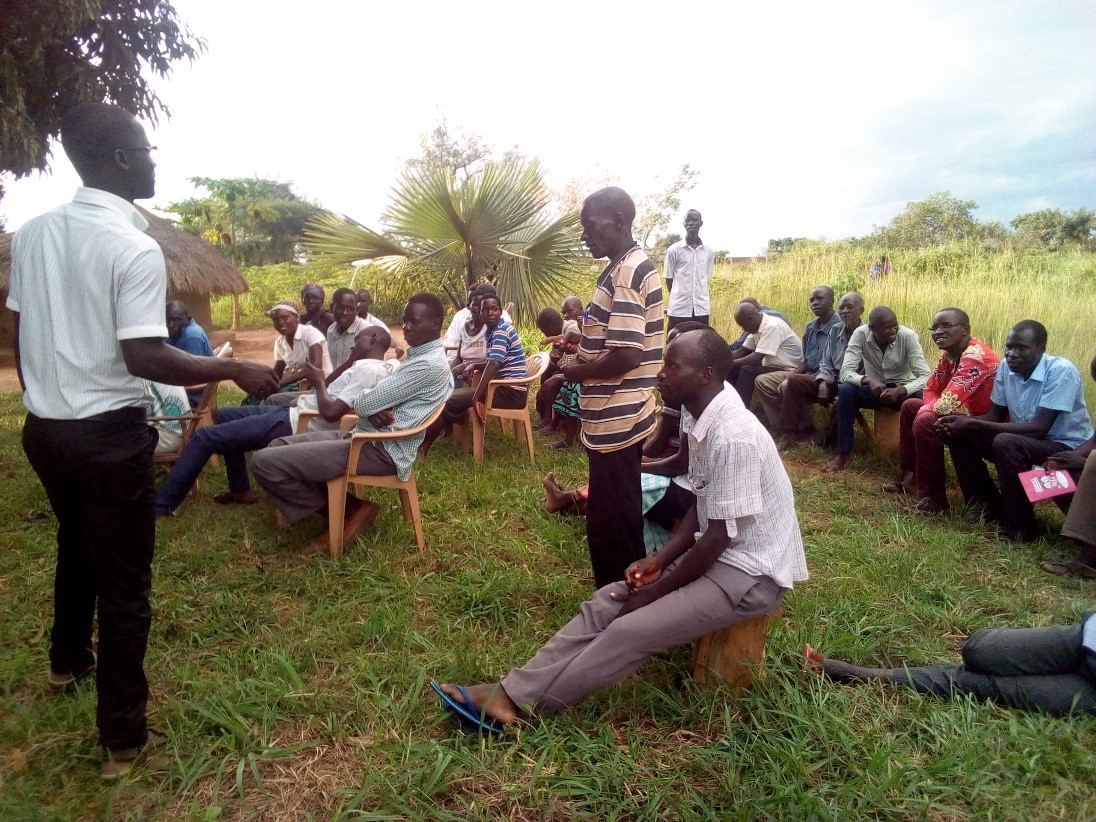
Working with trained Community Based Monitors (CBM) to conduct climate community score card, identify existing gaps and propose strategies to properly protect Orit wetland. CBM were able to approach the community members’ one on one to know their views on degradation that was on going in the wetland and how they can join hands to stop it. Based on the gaps generated from the score card, the report highlighted is that there is need to introduce irrigation methods as a way to control farming in the wetland since they do it as a result of over population, biting poverty and climate change.

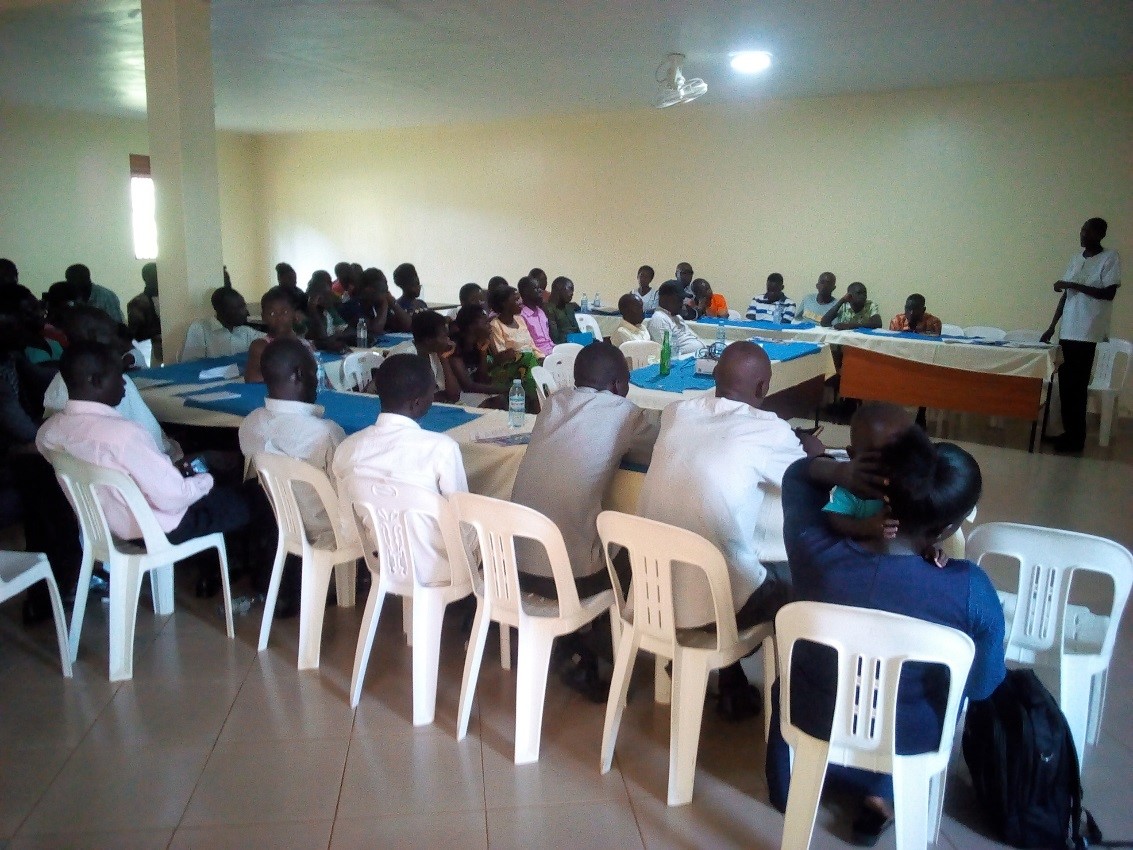
Follow-up meetings with leaders and CSOs yielded success in stopping wetland degradation.
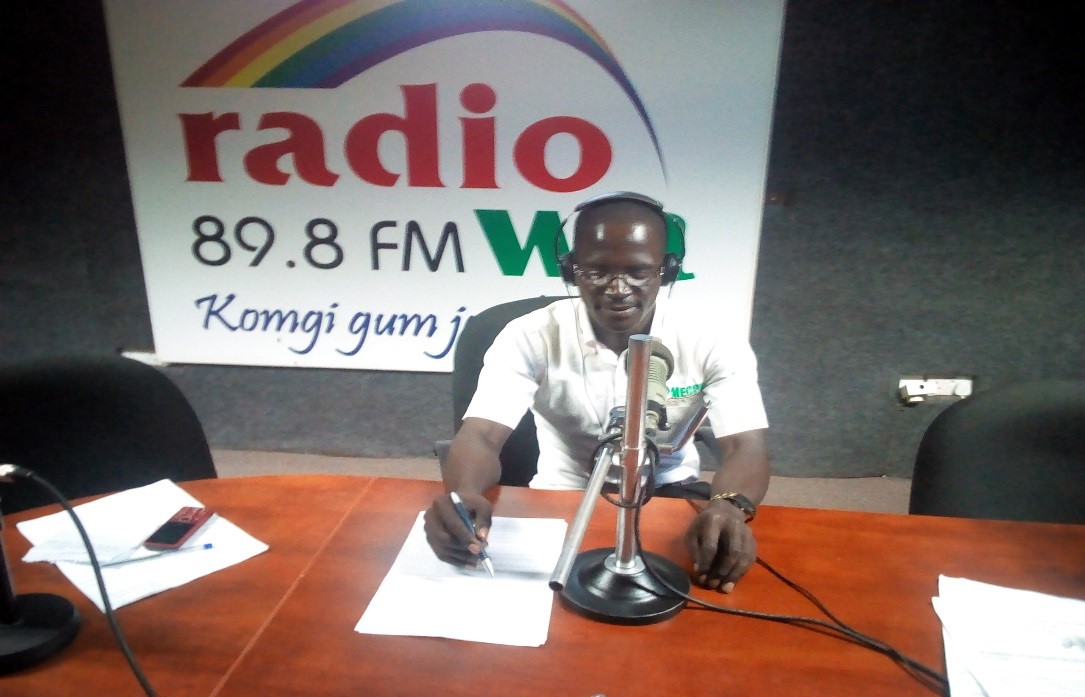
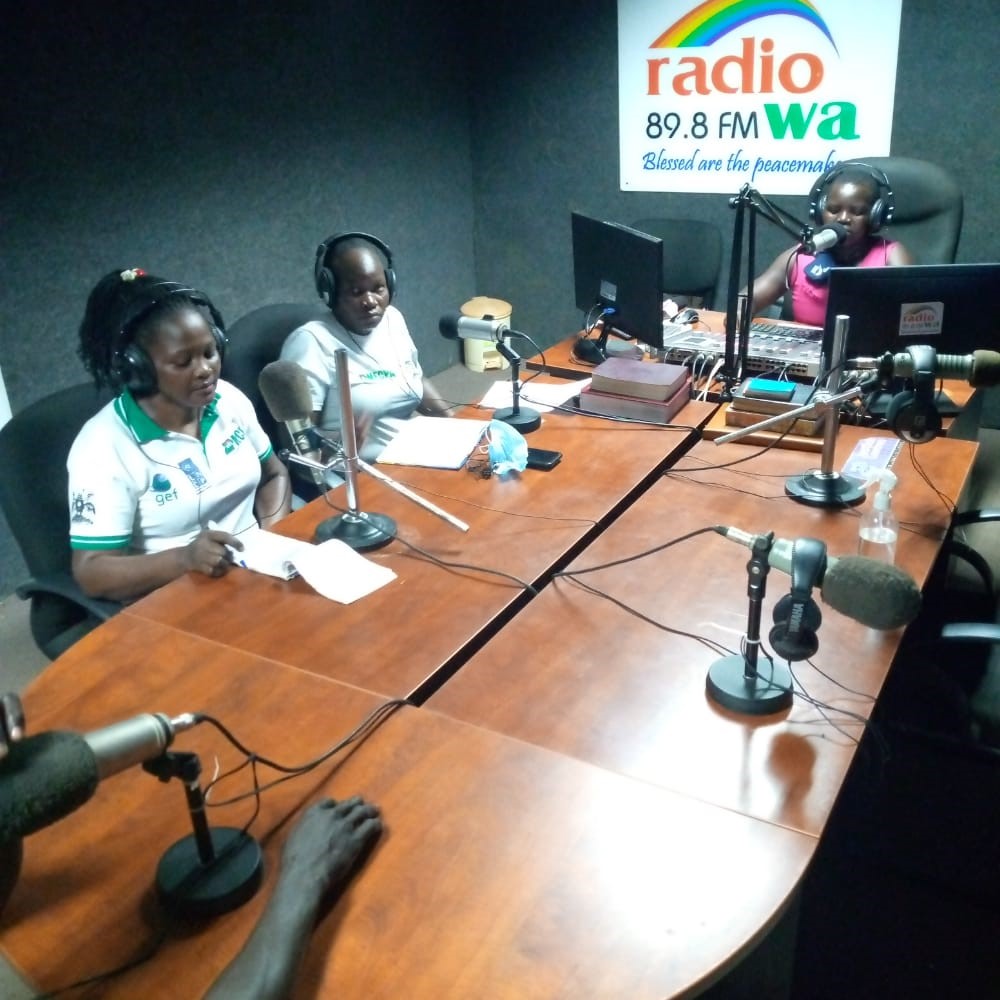
Radio talk shows on Radio WA created awareness on natural resource management.
Capacity building changed the mindset of project staff and beneficiaries.
Waste management by CBMs inspired local initiatives like "Eunice" to reduce plastic pollution.
Quarterly monitoring showed vegetation regeneration in Otol parts of Orit wetland.

Success Stories

The Situation Before Intervention

The situation before we intervened was not good. The degradation was high due to the increasing population pressure resulting from small scale factories (waragi and wine). Wine factories used the wetland as a dumping site, harming humans, animals, and the River Aswa ecosystem. Influential people cultivated with impunity. Most community members in Agweng sub-county were unaware of their rights to defend wetland resources.

Success Registered

  • Partnerships: Successful implementation led to partnerships with GIZ CUSP, PREEEP, and Lower Local Governments.
  • CBM Capacity: Monitors gained skills in reporting, Alternative Dispute Resolution, and Climate Smart farming.
  • Community Voice: Monthly reflection meetings ensured local voices were heard by leaders and CSOs.
Critical Challenges

Resistance from those degrading the wetland through farming and dumping of wastes like residues from local factories.

Political propaganda misleading community members about land grabbing until extensive awareness campaigns were held.

Non-functionality of Environment and Natural resource committees at the lower local government levels.

Complete lack of budget allocation for environment and natural resources management at lower local government.

Farmland Ecosystems Restoration of Aswa Catchment

Institutional Report | Dec 2019 | Proposer: Ogwal Moses

Quarterly Activities

Hiring Land Nursery ConstructionSeed Sowing Potting and PrickingIGA Training Beehive Distribution

Networking and Strategy

Conducted stakeholders mapping and designed a collaborative restoration road map for Orit micro catchment. Entered into an MoU with the Ministry of Water and Environment Upper Nile Water Management Zone.

Direct Benefits

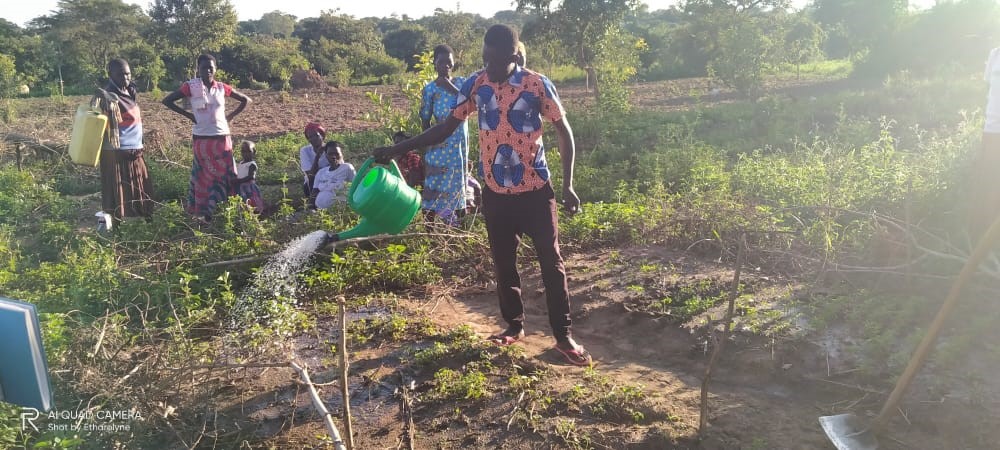
Participants received restoration techniques, contour ploughing, and rain water harvesting knowledge to support vegetable growing during dry seasons.

Recommendation

Community members still live in abject poverty. UNDP/GEF should continue to fund direct livelihood activities along wetlands to avoid further degradation.

Join us in making a difference for every vulnerable person.

Your support helps us empower communities and protect the environment in Northern Uganda. Let’s build a resilient future together.